If you've ever thrown out your back picking up a laundry basket, or felt a sharp pain shoot down your leg after sitting too long, you're not alone. Back pain is one of the most common reasons people miss work, skip the gym, or lose sleep. And sciatica, that burning or tingling sensation that runs from your lower back into your leg, can make even the simplest tasks feel impossible.
The good news? Most back pain and sciatica get better. And physical therapy is one of the most proven ways to speed up that recovery and keep the pain from coming back. [1] At JointWorks PT in Northbridge and Ashland, MA, I help people with back pain and sciatica every week. Here's what I want you to know.
What's Actually Causing Your Back Pain?
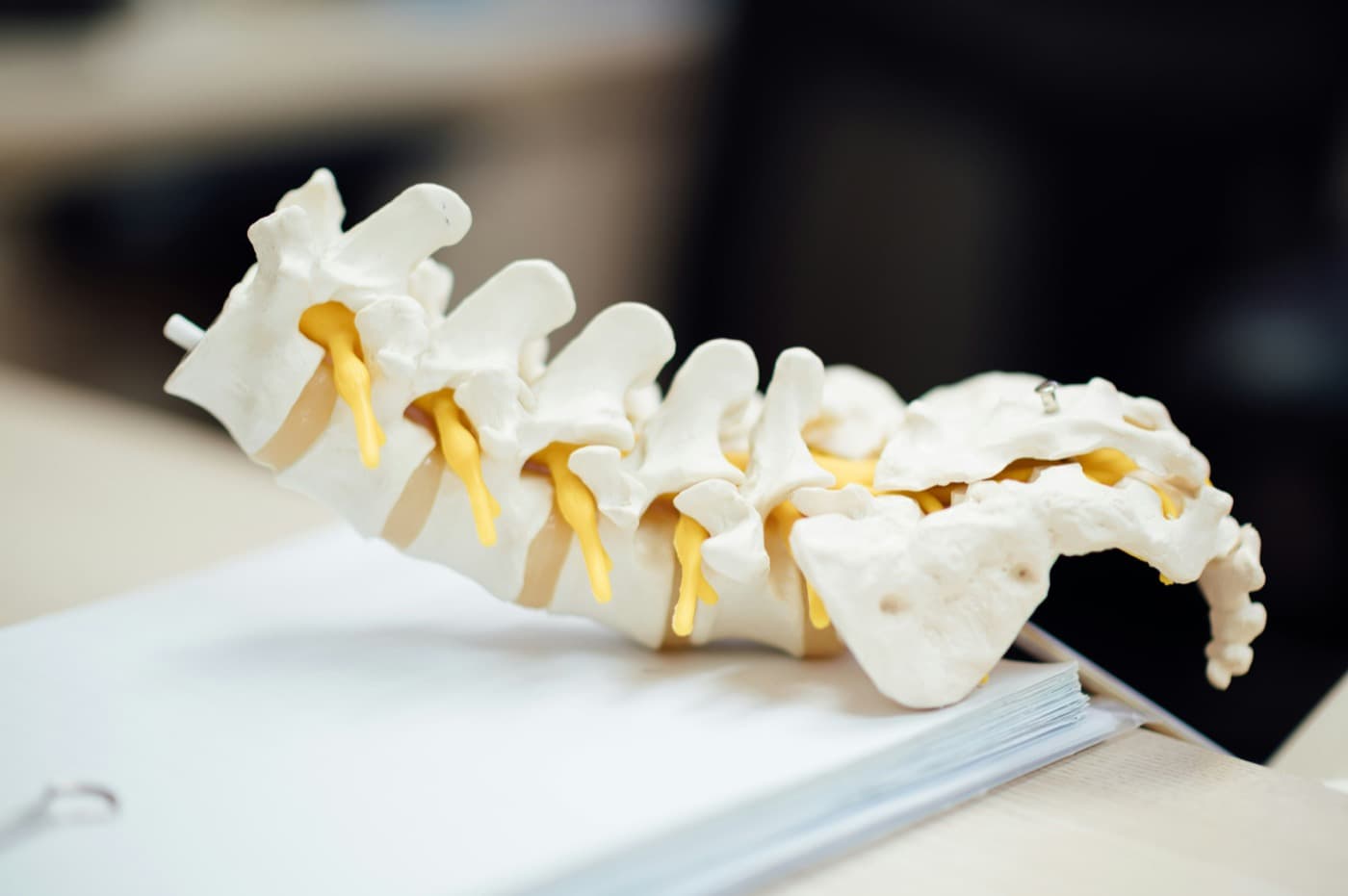
Your spine is a complex structure with bones, discs, joints, muscles, and nerves all working together. When something in that system gets irritated, stiff, or overloaded, pain shows up. The most common causes of lower back pain include:
- Muscle strain or spasm: This is the most common cause and usually happens when you lift something awkwardly, move too fast, or stay in one position for too long.
- Disc issues: The discs between your vertebrae act as cushions. Sometimes they bulge or herniate, putting pressure on nearby nerves. This is a common source of sciatica.
- Joint stiffness: The small joints in your spine can get stiff or irritated, especially if you sit a lot or don't move enough during the day.
- Nerve irritation: When a nerve in your lower back gets compressed or inflamed, you can feel pain, numbness, or tingling that travels down your leg. That's sciatica.
- Deconditioning: Weak core muscles and a sedentary lifestyle put extra stress on your spine over time.
What Is Sciatica, Exactly?
Sciatica isn't a diagnosis on its own. It's a symptom. It describes pain that follows the path of the sciatic nerve, which runs from your lower back through your hip and buttock and down each leg. People describe it as burning, sharp, shooting, or like an electric shock. Some people also feel numbness or tingling in their leg or foot.
The most common causes of sciatica are a herniated disc pressing on the nerve, tightness in the muscles around the hip (especially the piriformis), or narrowing of the space where the nerve exits the spine. The important thing to know is that sciatica usually responds very well to physical therapy. Surgery is rarely needed.
When Should You See a Physical Therapist?
Not every episode of back pain needs professional help. A mild ache after a long day of yard work will often settle down on its own within a few days. But there are clear signs it's time to get checked out:
- Your pain has lasted more than two weeks without improving
- The pain is getting worse, not better
- You have numbness, tingling, or weakness in your leg or foot
- The pain wakes you up at night
- You're avoiding activities you used to enjoy
- You've had repeated episodes of back pain
- Over-the-counter pain relief isn't making a dent
In Massachusetts, you don't need a doctor's referral to see a physical therapist. That means you can come straight to JointWorks PT and get started right away. The sooner you address the problem, the faster you'll feel better. [5]
How Physical Therapy Treats Back Pain and Sciatica
At JointWorks PT, I don't use a one-size-fits-all approach. Every patient gets a thorough evaluation so I can figure out exactly what's driving your pain. From there, I build a plan that targets your specific problem. Here's what that typically includes:
Manual Therapy
This is hands-on treatment where I use specific techniques to improve how your joints and muscles move. For back pain, this often means mobilizing stiff spinal joints, releasing tight muscles in your back and hips, and improving the way your spine moves as a whole. Patients often feel relief during or right after these techniques.
Targeted Exercises
Exercise is the backbone of back pain recovery. But not just any exercise. I prescribe specific movements based on what your body needs. For some people, that means core strengthening. For others, it's hip mobility or nerve gliding exercises that help calm down an irritated sciatic nerve. You'll learn exactly what to do at home so your progress doesn't stop when you leave the clinic.
Dry Needling
When tight muscles in your back or glutes are contributing to your pain, dry needling can be a game changer. I use thin needles to release deep muscle tension that's hard to reach with stretching alone. Many of my patients with sciatica notice a significant drop in their symptoms after dry needling, especially when the piriformis or other deep hip muscles are involved.
Education and Self-Management
Understanding your pain is a huge part of getting better. I'll explain what's going on in simple terms, teach you how to manage flare-ups on your own, and help you make small changes to your daily habits that protect your back long-term.
Common Myths About Back Pain
There's a lot of bad advice floating around about back pain. Here are some of the biggest myths I hear from patients:
Myth: You Should Stay in Bed Until It Feels Better
This is one of the most harmful pieces of advice out there. Prolonged bed rest actually makes back pain worse. Your muscles weaken, your joints stiffen, and your pain sensitivity increases. [2] Gentle movement is one of the best things you can do for a sore back. Walking, light stretching, and staying active within your comfort zone will help you recover faster than lying still.
Myth: An MRI Will Tell You Exactly What's Wrong
Imaging can be useful in certain situations, but it doesn't always tell the full story. Research has shown that many people with zero back pain have disc bulges, arthritis, or other "abnormalities" on their MRI. [3] And plenty of people with terrible back pain have scans that look perfectly normal. What matters most is how you move, how you feel, and what makes your symptoms better or worse. That's exactly what a good physical therapy evaluation looks at.
Myth: If You Have Sciatica, You Probably Need Surgery
Surgery is a last resort, not a first step. The vast majority of sciatica cases improve with conservative treatment like physical therapy. [4] Studies show that patients who do PT first have outcomes just as good as those who go straight to surgery, without the risks, recovery time, and cost of an operation.
Myth: Your Back Is "Out of Alignment"
Your spine is strong and resilient. It doesn't slip out of place from normal activities. What usually happens is that certain joints get stiff, certain muscles get tight or weak, and your movement patterns shift in ways that create pain. Physical therapy addresses all of these things without any cracking or popping needed.
What Recovery Looks Like
Most patients with back pain or sciatica start feeling better within the first few visits. The timeline depends on how long you've had the problem, how severe it is, and how consistent you are with your exercises. In general:
- Acute back pain (less than 6 weeks): Many patients see significant improvement in 4 to 6 sessions.
- Sciatica with nerve symptoms: This can take a bit longer, usually 6 to 10 sessions, depending on the cause.
- Chronic back pain (3+ months): This requires a more comprehensive approach, but even long-standing back pain responds well to the right combination of hands-on treatment, exercise, and education.
At JointWorks PT, every session is a full hour, one-on-one with me. That means we make real progress every visit. No rushing, no sharing your time with other patients, and no cookie-cutter plans.
Stop Waiting It Out
If back pain or sciatica is holding you back, you don't have to just live with it. And you definitely don't have to wait months to see if it goes away on its own. Physical therapy gives you a clear path forward, and at JointWorks PT, you'll get the focused, expert care you deserve.
I offer free consultations at both my Northbridge (Bellator Fitness) and Ashland (Focus on Fitness) locations. It's a no-pressure conversation where we talk about what's going on, answer your questions, and figure out the best next step for you.
References
- Almeida MO et al. Physical therapy for acute and sub-acute low back pain: a systematic review and expert consensus. PMID 38317586. PubMed
- Dahm KT et al. Advice to rest in bed versus advice to stay active for acute low-back pain and sciatica. PMID 20556780. PubMed
- Brinjikji W et al. Systematic literature review of imaging features of spinal degeneration in asymptomatic populations. PMID 25430861. PubMed
- Peul WC et al. Surgery versus prolonged conservative treatment for sciatica. PMID 17538084. PubMed
- Fritz JM et al. Physical therapy referral from primary care for acute back pain with sciatica: a randomized controlled trial. PMID 33017565. PubMed