
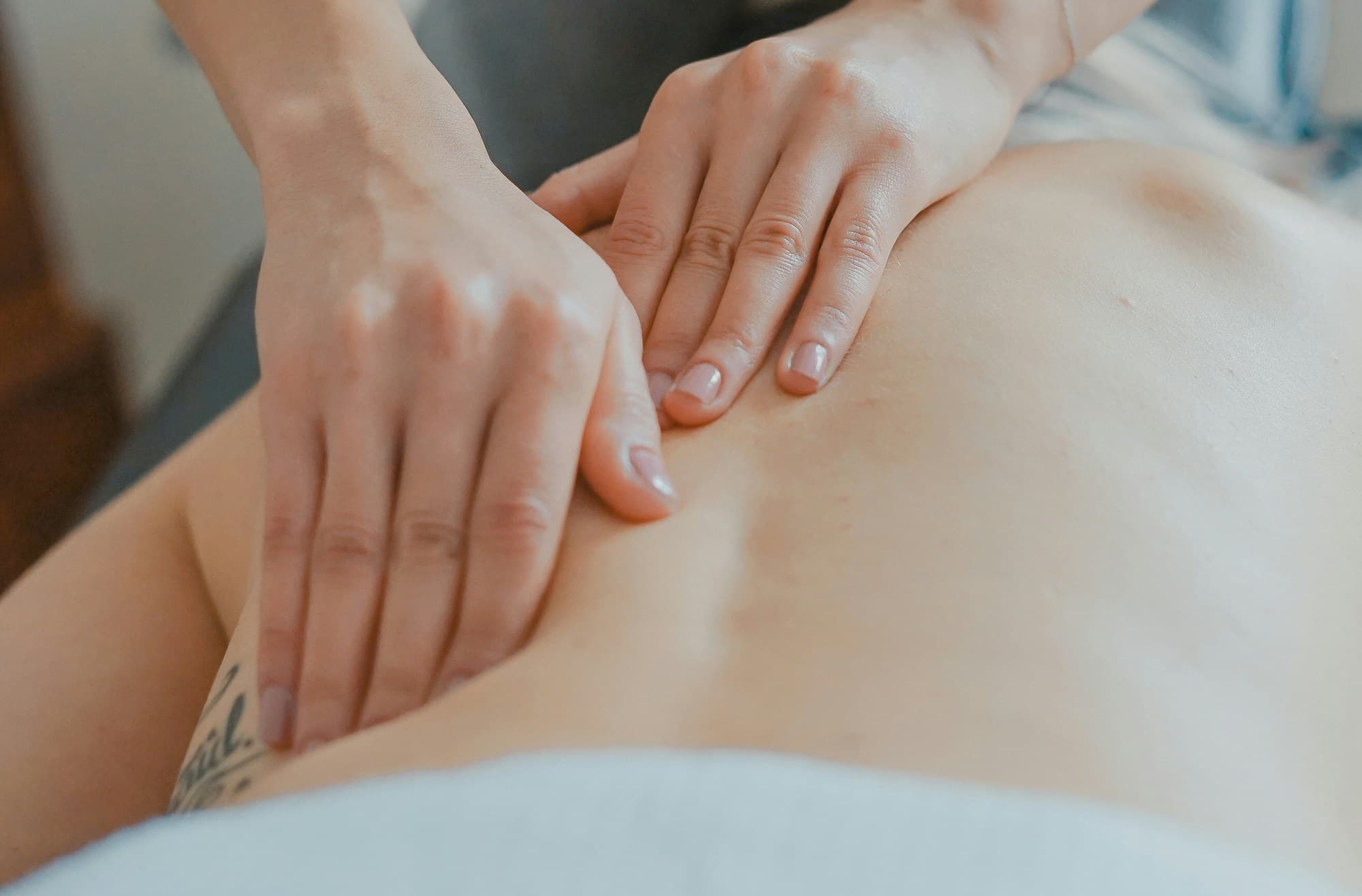
When most people think of physical therapy, they picture exercises. Bands, weights, balance boards. And exercises are important. But there is a whole side of PT that happens with my hands on your body, and for many patients, it is the part that makes the biggest difference.
Soft tissue mobilization is a broad category of hands-on techniques that target muscles, tendons, ligaments, and the connective tissue that wraps around all of them. At JointWorks PT, I use these techniques daily to help patients in Northbridge and Ashland recover from injuries, reduce chronic pain, and move better.
What Is Soft Tissue Mobilization?
In simple terms, soft tissue mobilization is skilled pressure and movement applied to the body's soft structures. Think of it as more focused and purposeful than massage. While massage is wonderful for general relaxation, soft tissue mobilization is driven by a clinical assessment. I know exactly where the problem is, what tissue is involved, and what technique will get the best result.
Your muscles and connective tissue are designed to slide and glide over each other smoothly. When things go wrong (an injury, surgery, repetitive strain, or prolonged poor posture), these layers can become stuck, tight, or thickened. That restricts movement and often causes pain. Soft tissue mobilization restores that normal sliding and flexibility [1].
The Techniques I Use
There are several different approaches within soft tissue mobilization. I choose the right one (or combination) based on your specific condition.
Hands-On Mobilization
This is the foundation. Using my hands, I apply sustained pressure, friction, or stretching directly to tight tissue. The pressure can range from gentle to firm depending on the area and how your body responds. I might work along the length of a muscle, across the grain of the fibers, or hold sustained pressure on a particularly tight spot until it releases.
My fellowship training in manual therapy means I can feel subtle differences in tissue quality. I can tell the difference between a muscle that is actively guarding, tissue that is chronically tight, and an area with scar tissue buildup. Each requires a different approach.
IASTM (Instrument-Assisted Soft Tissue Mobilization)
IASTM uses specially designed tools, usually made of stainless steel, to work on tight tissue [2]. The tools allow me to cover larger areas and apply more precise pressure than my hands alone. They are especially useful for:
- Scar tissue: After surgery or injury, scar tissue forms as the body heals. While scar tissue is necessary, it can become thick and restrictive. IASTM helps break up those dense areas and encourage the tissue to remodel in a more organized way.
- Tendon problems: Tendons that have been overloaded develop areas of thickening and disorganization. The tools help stimulate healing and improve the tendon's structure.
- Chronic tightness: When tissue has been tight for months or years, it can become fibrotic (dense and tough). IASTM can reach deeper layers that hands-on techniques alone may not fully address.
The treatment might feel like a firm scraping sensation. It is not usually painful, though you might feel some tenderness. Mild redness afterward is normal and fades quickly.
Myofascial Release
Your body has a web of connective tissue that wraps around every muscle, bone, and organ. When this tissue becomes tight or restricted, it can pull on distant areas and cause pain that seems unrelated to the source. Myofascial release uses sustained, low-pressure holds to let this tissue slowly lengthen and release.
This technique is gentler than some of the others. I apply steady pressure and wait for the tissue to soften and let go. It requires patience and a skilled touch. Some patients are surprised by how effective such gentle work can be [3].
What Conditions Benefit from Soft Tissue Work?
Soft tissue mobilization is useful for a wide range of conditions I see regularly at JointWorks PT:
- Neck and back pain: Tight muscles and restricted connective tissue are major contributors to spinal pain. Soft tissue work addresses these directly [4].
- Tendon pain: Tennis elbow, Achilles tendon issues, and rotator cuff problems all involve changes to the tendon tissue that respond well to mobilization.
- Post-surgical recovery: Scar tissue from any surgery (knee replacement, rotator cuff repair, ACL reconstruction) can limit your recovery if it is not addressed.
- Repetitive strain injuries: Carpal tunnel symptoms, forearm tightness, and similar issues from repetitive work or sports respond well to consistent soft tissue treatment.
- Chronic headaches: Tight muscles in the neck, base of the skull, and jaw can trigger and sustain headache patterns. Releasing these areas often brings significant relief.
- Muscle strains: After the initial healing phase, soft tissue mobilization helps the repaired muscle fibers align properly and regain full flexibility.
- General stiffness and tightness: Even without a specific diagnosis, chronic tightness from daily life, exercise, or aging responds well to skilled soft tissue work.
How Soft Tissue Mobilization Fits Into Your Treatment Plan
At JointWorks PT, soft tissue mobilization is never the entire treatment. It is one component of a plan that also includes joint mobilization, exercises, and education. Here is how they work together:
- Step 1: Release the restriction. Soft tissue mobilization loosens tight tissue so you can access more range of motion.
- Step 2: Restore the joint. If the joint itself is stiff, I follow soft tissue work with joint mobilization to get the full range back.
- Step 3: Strengthen the new range. Exercises teach your muscles to control and maintain the movement we just gained. Without this step, the tightness comes back.
- Step 4: Build independence. I teach you stretches, foam rolling techniques, and exercises you can do at home to maintain your progress between visits.
This layered approach is why one-on-one, hour-long sessions matter. There is no way to rush through a thorough treatment that covers all of these steps. At JointWorks PT, you get my full attention for the entire visit.
Soft Tissue Work vs. Massage
I get this question a lot. Here is the honest answer: there is overlap. Both involve hands-on work with muscles and soft tissue. The differences are in the assessment, the intent, and the integration.
Before I put my hands on you, I have already done a full evaluation. I know which structures are involved, what movement is limited, and what is causing your pain. My soft tissue work is targeted to those specific findings. After the hands-on treatment, we immediately test whether it worked and follow up with exercises to lock in the gains.
A good massage therapist can absolutely help with general tightness and relaxation. But when you have a specific injury, a movement problem, or pain that has not responded to general approaches, the clinical precision of physical therapy soft tissue mobilization makes a significant difference.
Getting Started
If you are in the Northbridge or Ashland area and dealing with tight muscles, lingering pain from an injury, or stiffness that will not go away with stretching alone, soft tissue mobilization may be exactly what your body needs.
At JointWorks PT, every treatment plan starts with a thorough evaluation. I figure out what is going on, explain it in plain language, and build a plan around getting you back to the activities you love. If soft tissue mobilization is part of that plan, you will understand exactly why and what to expect.
References
- Brosseau L et al. Myofascial Release as a Treatment for Orthopaedic Conditions: A Systematic Review. PMID 23725488. PubMed
- Seffrin CB et al. Instrument-Assisted Soft Tissue Mobilization: A Systematic Review and Effect-Size Analysis. PMID 31322903. PubMed
- Laimi K et al. Effectiveness of Myofascial Release in Treatment of Chronic Musculoskeletal Pain: A Systematic Review. PMID 28956477. PubMed
- Pita-Fernandez R et al. Myofascial Release for the Treatment of Pain and Dysfunction in Patients With Chronic Mechanical Neck Pain: Systematic Review and Meta-analysis. PMID 36305079. PubMed