Soft Tissue Mobilization
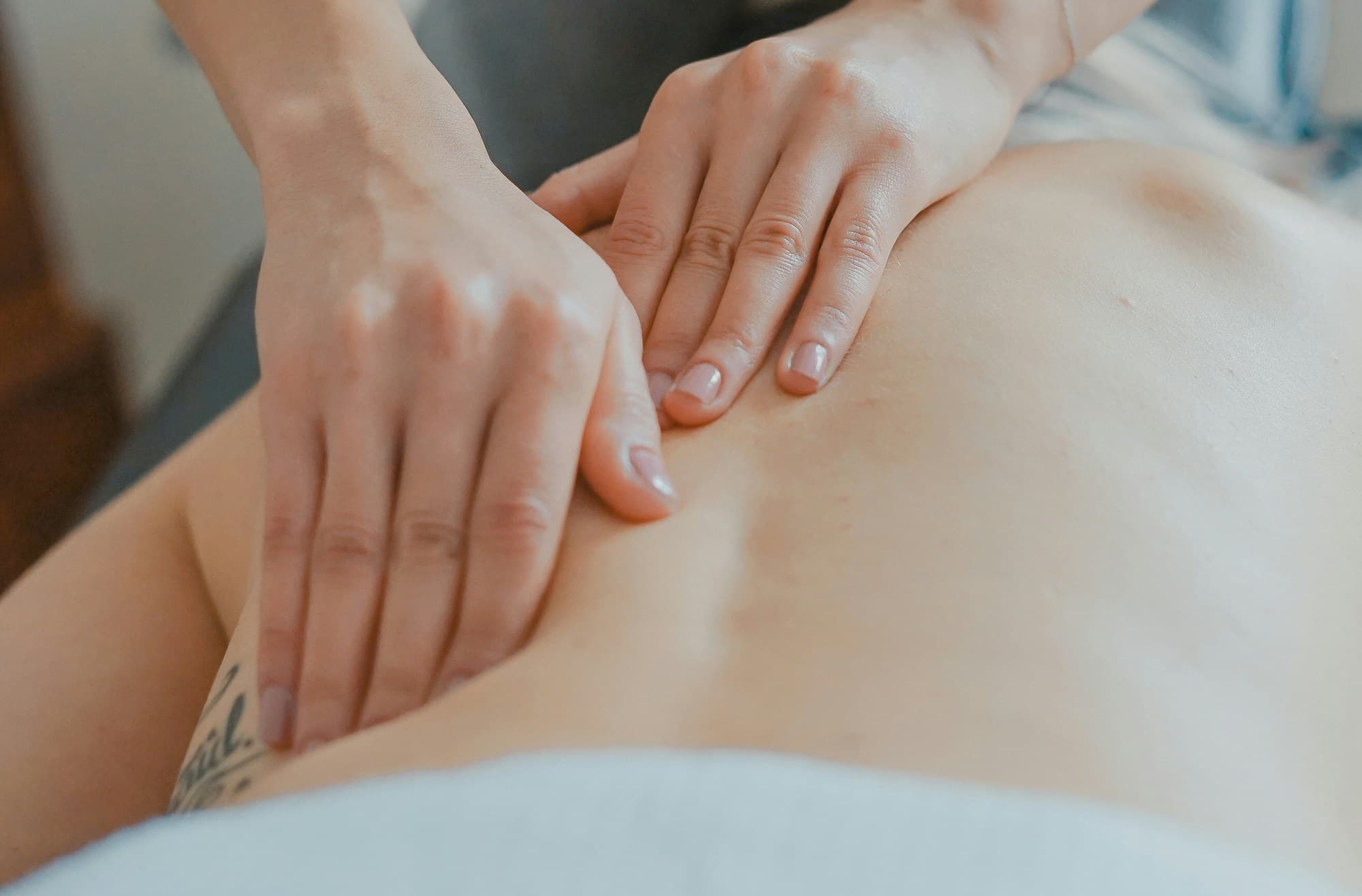
Book Your Free ConsultationLimited availability this monthSoft tissue mobilization is a hands-on technique offered at JointWorks PT. It involves applying targeted pressure and movement to muscles, tendons, ligaments, and the connective tissue around them to break up restrictions and improve tissue health.
Dr. Steven Lagasse uses several soft tissue approaches, including instrument-assisted work (IASTM), manual release, and myofascial release, depending on what your body needs. These methods are especially effective for scar tissue, chronic tightness, and movement problems that haven't improved with other treatments.
Unlike a general massage, soft tissue mobilization at JointWorks PT is precisely targeted and built into your full treatment plan. Dr. Lagasse pairs these techniques with rehab exercises and movement training for results that last.
Benefits of Soft Tissue Mobilization
- Reduced muscle tension and pain
- Better tissue flexibility and mobility
- Improved circulation and tissue healing
- Breaks down scar tissue and tight spots
- Less inflammation in soft tissues
- Improved joint range of motion
- Faster recovery from injuries and surgery
Frequently Asked Questions
Soft tissue mobilization (STM) is a hands-on technique that applies pressure to muscles and connective tissue to reduce pain, improve circulation, and help you move better. It includes approaches like myofascial release, instrument-assisted work (IASTM), and cross-friction massage, all aimed at getting your tissue healthy and working properly.
It releases muscle tension, breaks down scar tissue, reduces inflammation, and restores flexibility. That makes it effective for chronic pain, sports injuries, and recovery after surgery. By boosting blood flow and loosening tight tissue, it creates a better environment for healing and helps restore how you move.
It helps with tendon pain, muscle strains, stiffness after surgery, fibromyalgia, and chronic tightness. Athletes benefit from soft tissue work for both preventing and treating overuse injuries. People with chronic pain often see real relief when regular soft tissue treatment is combined with movement training.
While they can feel similar, STM is more targeted and medically guided. It uses specific techniques to address problems, not just help you relax. Physical therapists like Dr. Lagasse have deep training in anatomy and tissue healing, so the work is precisely targeted based on what your body needs. It's also combined with exercise and movement training for complete care.
You'll feel pressure that may be mildly uncomfortable, but it shouldn't be really painful. Any discomfort is usually brief and followed by quick relief as the tissue lets go. Dr. Lagasse checks in throughout to make sure you're comfortable and adjusts the pressure as needed. Most patients feel noticeably better right after treatment.
Both go after tight, restricted tissue, but in different ways. Soft tissue mobilization works from the outside with hands-on pressure and movement. Dry needling uses thin needles inserted into tight knots. They often work great together. Soft tissue work can prep the area for needling, or follow it to release things further. Dr. Lagasse may recommend one or both based on your condition.
What Our Patients Say

Working with Steven was such a positive experience! He was incredibly responsive when I first contacted him about a knee injury; he saw me within just a couple days of my accident. I felt extremely supported the entire time we worked together. Due to his expertise and care, I was back to normal activities within a couple weeks of beginning my treatment program! I highly recommend!